Shoe sole mold cost depends on the tooling scope, size range and sole construction. Before comparing prices, ask what each quote covers: a left/right set, one size, several components or a complete size run. This guide is for footwear brands and factories sourcing sole components.
Start here: Choose a tooling route · Check the cost factors · Prepare your quotation brief
Existing Mold or New Tooling?
An existing-mold model is worth reviewing when its shape and available sizes suit your shoe. Start with our existing-mold sports shoe sole range. Confirm which color or logo changes are possible and whether they create extra charges.
If you need a different outline, tread or structural layout, request a development review before budgeting. Suppliers may call this outsole tooling or sole mould development. Reusing a mold does not automatically guarantee fit, exclusive use or free customization.
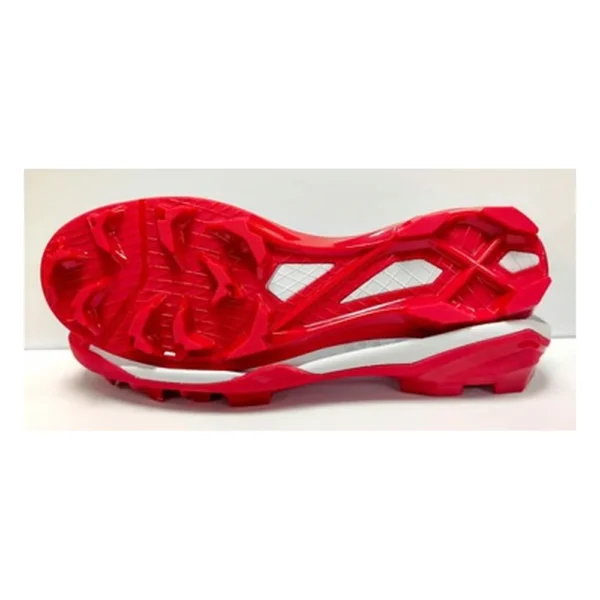
What Changes Shoe Sole Mold Cost?
- Size coverage: List every required size and confirm whether each quoted item includes both left and right soles.
- Components and process: Ask whether the midsole, outsole and inserts need separate tools. Material and molding process must be defined together.
- Design detail: Ask the tooling team to review undercuts, tread geometry, sidewalls, textures and logo inserts.
- Tool configuration: Confirm the proposed mold material, cavity arrangement and production requirements.
- Revisions: Agree which drawing changes, trial corrections and later design changes are included.
The Shoemakers Academy overview of production tooling explains why a sole project can involve several tools. Its examples are background information, not a quotation for your design.
Compare the Same Quotation Scope
Ask suppliers to separate design and grading, tooling by size and component, samples and mold trials, testing, and bulk sole unit prices. Check freight and tax assumptions separately. A low headline mold price is difficult to compare when the size coverage or included work differs.
For planning: divide the agreed tooling total by your planned production quantity to estimate the tooling allocation per pair. This is a budgeting calculation, not a supplier unit price or a guaranteed final volume.
Send a Clear Quotation Brief
Include these items in one inquiry:
- Your sport, intended surface and destination market.
- A sole reference, drawing or 3D file, plus the last or bottom dimensions.
- Required sizes, quantity by size, and color breakdown.
- Material preferences, logo artwork and any hardness or weight targets.
- Sample requirements, test criteria and target delivery date.
A size label alone is not enough to confirm compatibility. SATRA explains the role of last dimensions and shape in footwear fit. Check the sole and upper together during sampling.
Agree Approval and Tooling Responsibilities
Before committing to tooling, confirm the approved design, payment stages and revision process. Ask who owns the tools and files, where they will be stored, who pays for maintenance, and what happens if the project ends or production moves. These terms need agreement; payment alone does not define them.
Before bulk sole production, approve samples against the agreed dimensions, appearance and project tests. For broader supplier checks, read our shoe sole manufacturer selection guide.
Buyer Questions
Does one mold price cover the full size run?
Do not assume it does. Ask for an itemized size list, left/right coverage and the tools required for each component.
Are tooling charges refunded after a bulk order?
Only if your supplier explicitly agrees. Confirm any refund or credit conditions, quantities and timing in writing.
Request a Project-Specific Review
Tread Soles offers existing-mold models and custom mold development for sports shoe sole projects. Send your sole development brief so the tooling route, sample scope, MOQ and quotation can be reviewed for your requirements.